Puppy Training Basics

How to Teach a Puppy Its Name: Simple Training Steps

A beginner-friendly guide to building a positive association and reliable response.


Before mastering complex commands, your puppy must understand who they are. Name recognition isn't just a label—it's the ultimate positive cue that signals your puppy to tune in. Unlike a formal recall, teaching your puppy their name builds an instant mental bridge of voluntary attention, signaling that looking at you always translates to safety, trust, and rewarding experiences.

Read Training Guide
Young puppy looking attentively at its owner during name training

How Quickly Can a Puppy Learn Its Name?


Teaching your pup their name is the very first step in building a lifelong language. While fast-learners can pick it up in just a few days, full comprehension depends on key training foundations.

Choose the Right Name for Your Puppy


A name is more than an identity; it is the fundamental signal for attention. Choosing an easily recognizable word ensures prompt response and enhances safety during outdoor adventures.

The Art of Attention

The Name Game


01

Say Name Once

Avoid repeating. Say it clearly in a cheerful tone when they aren't paying attention.

02

Puppy Looks

Wait for that magic moment of eye contact, even if it takes a second. Patience is key.

03

Mark & Reward

Immediately say 'Yes!' or click, then deliver a high-value treat within two seconds.

04

Repeat Flow

Practice in short, fun sessions of 5-10 repetitions. Keep enthusiasm levels high.

05

Add Distance

Take a step back. Encourage them to find you and make eye contact from further away.

06

Add Distractions

Introduce mild background noises, toys, or outdoor environments to build rock-solid focus.

What Should a Puppy’s Name Mean?

To a puppy, their name shouldn't mean 'stop that,' 'come here,' or be associated with scolding. In a premium training approach, the name translates to one beautifully simple cue: 'Look at me for something wonderful.'

By consistently following the Name → Look → Reward pattern, you build a powerful positive reflex. Over time, hearing their name triggers an automatic, joyful orientation towards you, laying the perfect foundation for advanced recall and off-leash safety.

PREPARING THE ENVIRONMENT

Step 1: Start in a Quiet, Distraction-Free Room
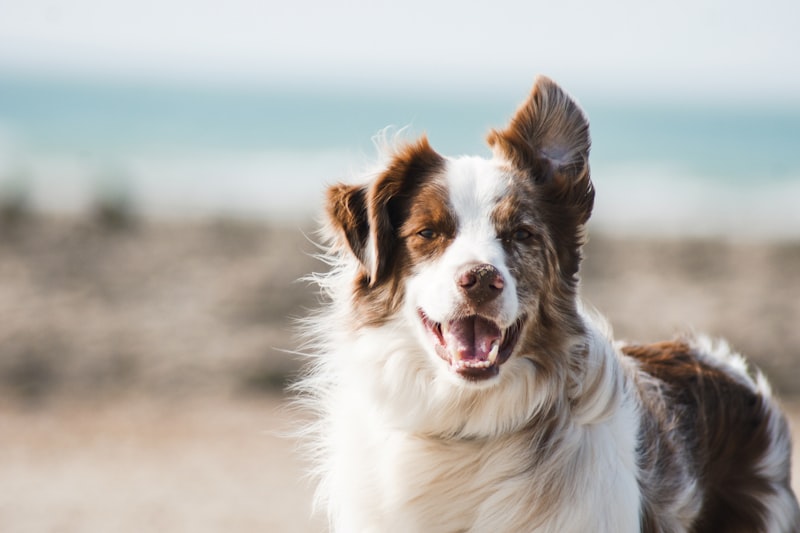

Attentive puppy sitting and looking up at its owner for a reward

IMMEDIATE REINFORCEMENT

Step 2: Reward Your Puppy for Looking at You

Timing is everything when training a young puppy. Rewarding your dog the exact second they make eye contact strengthens the neural link between looking at you and receiving a wonderful outcome. If you wait even three seconds too long, they might associate the reward with looking away or sniffing the floor. Use high-value elements to keep them locked on you.

High-Value Treats

Keep treats extremely small, soft, and pungent so training maintains a brisk, fun tempo.

Enthusiastic Praise

A happy, high-pitched vocal tone establishes deep verbal confidence and positive bond.

Exciting Toys

A brief, highly motivating play-burst with a toy can occasionally alternate for food reward.

STAGES OF PROOFING

Building Reliability Gradually

True obedience isn't forged in a vacuum. Once your puppy understands the foundation, systematically introduce subtle shifts in your posture and environment to lock in the behavior.

Owner training a small puppy indoors from a kneeling position
STEP THREE

Practice From Different Positions

Dogs are highly situational learners. If you only practice cues while standing rigidly in front of them, they won't generalize the behavior when you are sitting down, kneeling, or training from across the room.


A golden puppy playing on a soft carpet with a clean, light background
STEP FOUR

Add Small Distractions

Once your puppy reliably performs in different positions, slowly raise the stakes. Introduce low-level environmental changes so they learn to prioritize your voice over immediate visual impulses.


Remember: reliability is built through consistent, brief intervals. Never rush the process; always prioritize positive alignment and clear communication.

Download Full Proofing Guide
Puppy sitting attentively in a park grass setting learning name recognition

Step 05

Practice Outside and in New Places

Once your puppy answers reliably indoors, transition to areas with mild distractions. Start in your backyard or quiet parks, allowing them to understand that hearing their name demands focus—even in a sensory-rich environment.


Step 06

Name Predicts Good Things

Integrate their name into the moments they look forward to most. Speak their name gently just before feeding meals, initiating playtime, or snapping on their leash for a walk. This links the cue to supreme joy.

THE GOLDEN RULE OF RECALL

Build a Strong Name Association


A puppy's name should never be used for correction. It must always trigger a highly positive physical loop—linking their name instantly to intense focus and immediate premium reward.

THE ATTENTION LOOP

01 / THE TRIGGER

Puppy’s Name →

Speak their name clearly. Once. It acts as a positive command that promises focus.

02 / THE REACTION

Immediate Attention →

They turn their head, perk up their ears, and lock eye contact directly onto you.

03 / THE PAYOFF

Positive Experience

An instant reward reinforces the loop, ensuring quick recall next time.

ELEMENTS OF JOY

Six Pillars of Premium Rewards

High-Value Treats

Small freeze-dried bites offered within one second of attention.

Loving Praise

Warm, cheerful, high-pitched verbal validation and soothing touch.

Favorite Toy

A brief, highly exciting roll of a ball or squeak of a beloved plush.

Interactive Play

A quick game of tug-of-war or chase that burns energy beautifully.

Daily Mealtime

Using half of their daily kibble for hand-fed recall practice sessions.

Outdoor Adventure

Release cues that allow them to sprint, sniff, and explore freely.

The Art of Puppy Name Training

Teaching your puppy their name is the cornerstone of connection. Explore practical insights, avoid common pitfalls, and master a positive reset strategy for a joyful, responsive companion.

Common Mistakes

Name training requires absolute clarity. Watch out for these three subtle errors that can confuse your growing pup:

Why Aren't They Responding?

If your puppy doesn't turn their head, it is rarely disobedience. Most often, it's a simple developmental or environmental issue:

How to Reset Focus

When your pup starts tuning out their name, don't keep repeating it. Implement this gentle reset strategy immediately:

Patience is Your Greatest Tool

Every single interaction builds your bond. Keep your training sessions short, loving, and always end on a positive note. You've got this!

Download Free PDF Training Guide
PUPPY COGNITION SERIES

Should You Use Your Puppy’s Name for Recall?

Understanding the subtle art of name recognition versus emergency recall, and how to preserve the golden connection of your puppy's attention.


Name vs. Come: The Critical Difference

A puppy's name is not an action cue. In professional editorial training, a name means one thing: eye contact and mental engagement. It sets up the 'connection channel.'

By contrast, the recall command ('Come') requires active motor movement—traveling to your side. When you blur these rules and scream their name to retrieve them from afar, you risk wearing out the name's neurological magic, turning it into white noise.

The Quick Rules

How to Use Your Puppy’s Name in Training

The Golden Sequence: Name ➔ Attention ➔ Sit / Wait

Step 1: The Name Cue

Say their name precisely once in a bright tone. Avoid repeating it like an idle song; preserve the value of the singular utterance.

Step 2: Secure Attention

Wait for their eyes to sweep toward you. The millisecond eye contact is made, silently mark this state with a sharp 'Yes!' or a clicker.

Step 3: Deliver Command

Once eye contact is locked, introduce the action request: 'Sit', 'Wait', or 'Come'. The name serves as the precursor, never the action itself.

How to Keep Name Response Reliable

Conditioning degrades if the name is associated with boredom or frustration. Maintain absolute reliability through these three simple maintenance habits.

Download Training Blueprint
1. The 10:1 Ratio Rule

Never call your puppy’s name to execute things they dislike (baths, nail clipping, or crate confinement). Instead, physically walk over and fetch them. Keep the name exclusively associated with high-tier joy.

Say their name at random times when they are distracted in low-stakes situations indoors. The millisecond they turn their head, reward with a high-value jackpot. This builds powerful unconscious head-turn reflexes.

If you call their name and they ignore it, do not repeat it. If you repeat it, you train them that the first three calls are optional noise. Step closer, make a distinct high-pitched noise to win attention, and treat immediately.

Puppy Name Training Quick Checklist

A daily framework to help your puppy build a reliable and positive response to their name.


Name Training FAQ

Everything you need to know about puppy communication, timing, and troubleshooting common behavioral hurdles.

How long does it take for a puppy to learn their name?

Most puppies will form a solid mental connection with their name within 1 to 2 weeks of consistent, positive reinforcement training daily.

No, never use their name negatively. We want them to hear their name and expect wonderful things, not fear or scolding.

Absolutely! Dogs learn new associations quickly. Treat the new name like a fun game, rewarding them generously every time they respond to it.

Keep treats hidden in a pocket or pouch, not in your hand. This prevents 'bribery' and encourages them to listen first, then receive the reward.

It is best to stick exclusively to their chosen name during the first few weeks to avoid dilution and general name-training confusion.

Aim for 3 to 5 ultra-short sessions spread throughout the day. Each training session should only last between 1 to 2 minutes.

The great outdoors presents countless high-value stimuli. Practice in highly controlled outdoor areas first, using a leash and extra delicious rewards.

Rely heavily on clear physical cues. Use hand signals like an open palm or a gentle flashlight flash, immediately paired with a tasty treat.

Two-syllable names with snappy or sharp consonant sounds (such as Ziggy, Jasper, or Milo) are generally the easiest for puppies to recognize.

It is highly recommended to choose distinctive sounds. Rhyming names (like 'Benny' and 'Penny') can cause visual and auditory confusion.

Slowly transition to a variable schedule of reinforcement. Mix in intense vocal praise, play sessions, or belly rubs in place of a treat.

Never chase after them. Instead, run playfully in the opposite direction while calling their name to trigger their instinctual chase response.


Cultivate a Lifetime of Seamless Connection

Every glance, wag, and enthusiastic recall deepens the unspoken language between you and your puppy. Discover a simpler, warmer way to guide your pet's education with expert support and resources designed for loving homes.

Join CozyPuppies Premium
A happy puppy engaging with its owner after a successful training session