
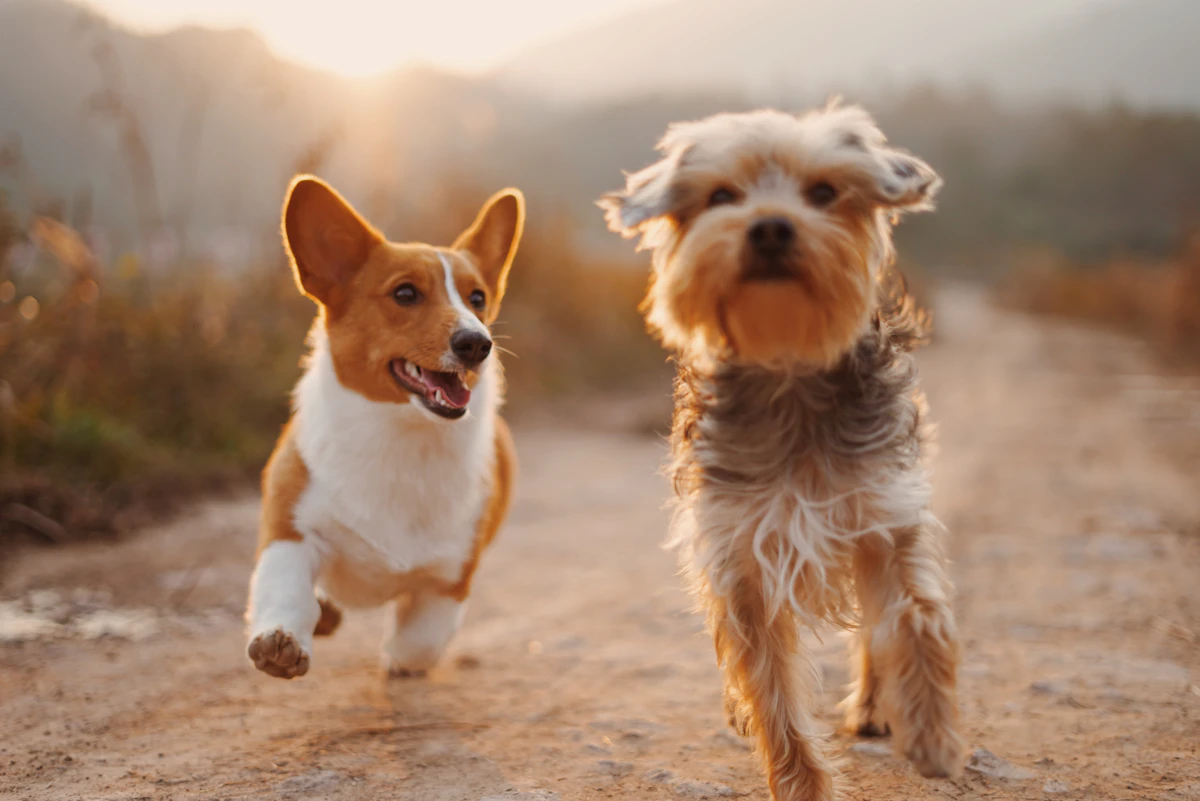
When Can Puppies Start Going on Walks? What New Owners Should Know
Embarking on early outdoor adventures with your companion is an exciting milestone. However, navigating the window between crucial socialization and complete vaccine protection requires a gentle approach. While there is no single 'safe age' for every puppy, expert veterinary guidance ensures your pup experiences the world with confidence and complete peace of mind.
Embarking on outdoor adventures requires patience, care, and structured progression. Follow our expert-guided steps to transform tentative initial paw-steps into a lifetime of confident, joyful journeys.
1. Veterinary Guidance
Ensure vaccinations are complete and consult your veterinarian on safe regional boundaries before stepping onto public pathways.
2. Safe Socialization
Introduce controlled settings, trusted vaccinated dogs, and gentle ambient sounds to establish positive early associations.
3. Leash Practice
Acclimate your companion to a comfortable harness and light leash indoors. Offer small rewards to build excitement for gear.
4. First Short Walk
Begin with a brief, quiet five-minute route outside. Prioritize peaceful sniffs and safe observation over physical distance covered.
5. Positive Experiences
Incorporate playful encouragement, praise, and gentle guidance. Turn new sensory stimulations into secure, happy discoveries.
6. Build Confidence
Incrementally grow walk times and visit novel spots. Respect their comfort boundary lines, and let confidence develop naturally.
COZY PUPPY WELLNESS GUIDE
Puppy Walks at a Glance
Why Can't Puppies Always Go on Public Walks?
Before they are fully immunized, public spaces present significant hazards. Standard paths, dog parks, and sidewalks are frequented by many dogs, harboring unseen viruses that persist in the soil.
High risk of Parvovirus & Distemper
Immune systems are still developing
Maternal antibodies decline rapidly
When Is a Puppy Ready?
Safety relies on completing the initial vaccine series. Full immunity is not achieved immediately post-injection, requiring a brief buffer period to guarantee complete protection.
Typically 10-14 days post final booster
Usually completed around 16 weeks
Varies with local contagion rates
Veterinary Clearance & Socialization
Balancing socialization with physical protection is key. You can safely expose your puppy to the world without putting their paws on dangerous public ground.
Socialize in secure private yards
Carry in specialized puppy packs
Play only with vaccinated adult dogs
Important Note: Consult Your Veterinarian First
Every puppy’s immunization schedule is entirely unique. Disease density risks vary heavily by geographic region. Never begin public neighborhood walks or off-leash socialization until your local vet gives formal medical clearance.
EARLY SOCIALIZATION
Safe Ways to Introduce Your Puppy
Before final vaccinations are complete, protect your puppy's developing immune system while gently nurturing their natural curiosity about the world.
1. Mindful Carrying
Hold your puppy in your arms or in a secure sling when in public. They experience sights, sounds, and unfamiliar scents without touching contaminated ground.
2. Fully Private Enclosed Yards
Limit all outdoor bathroom breaks and physical play to your own private backyard. Avoid communal apartment grass or unfenced fields where unknown dogs roam.
3. Controlled Car Adventures
Park in moderately busy locations and let your puppy observe passing traffic, cycles, and people from the safety of an open boot or safely rolled-down window.
The First Steps Outdoors
Nurturing Your Puppy's Early Walkies
What Should a Puppy's First Walk Be Like?
A puppy's initial walk is not about exercise; it is a sensory journey designed to build trust in their new environment. Focus on quality of exploration over distance.
Quiet Location — Choose a calm, low-traffic spot directly outside your home.
Freedom to Sniff — Scent exploration exercises their mind and builds confidence.
Slow, Gentle Pace — Follow their lead without forcing structured heeling yet.
How Long Should a Puppy Walk?
A puppy's joints and growth plates are sensitive. Over-exercising can lead to structural development issues, making time restrictions crucial.
The Five-Minute Rule — Plan for 5 minutes of walking per month of age, up to twice a day.
Breed Considerations — Large breeds grow slowly and need stricter low-impact moderation.
Energy Dynamics — Stop immediately if your puppy sits down, pants heavily, or whines.
First Walk Success Checklist
A well-fitted Y-harness and light fixed leash
Soft, enticing training treats in your pocket
Poop bags and a portable water container
Quiet, pre-scouted safety route
The First Outings Guide
Puppy Walking 101
Early walks are vital for development, but balance is key. Learn to read your puppy's subtle behavioral cues and design a reassuring walking routine.
How to Tell If Your Puppy Is Tired or Overwhelmed
Puppies have sensitive nervous systems. Recognize these distress signs before your companion experiences burnout.
Slowing down & reluctant steps
Excessive panting, yawning, or whining
Sudden distraction & constant sniffing
Common First-Walk Mistakes to Avoid
Avoid these standard training missteps to ensure your puppy's earliest memories of the outside world are positive.
Walking too far (rule of thumb: 5 mins per month of age)
Rushing physical speed over rich sniffing opportunities
Ignoring subtle stress indicators like a low tuck tail
Socialization is not about confronting the world all at once. It is a curated, gentle introduction to novel sights, sounds, and textures—designed to build quiet, lifelong confidence one deliberate step at a time.
01 / Nurturing Safe Exposure
Controlled environments allow your pup to process novel stimuli safely. The goal is mild interest, followed by pleasant rewards.
Gentle Strangers - Let calm observers offer treats from a relaxed, seated posture.
Distanced Vehicles - Sit on a quiet bench to watch cars pass without startling noise.
Rich Textures - Walk deliberately on cool stone, dry gravel, and crisp fallen leaves.
02 / Spaces to Postpone
Until immunity is complete and critical fear windows close, protect your puppy from high-stress zones where behavior is chaotic.
Unfenced Dog Parks - Chaotic, unmonitored settings can instantly overwhelm young minds.
Stagnant Waterways - Puddles and unmanaged soils present major, unnecessary health risks.
The Golden Rule: Move at Their Own Pace
One positive exposure is worth fifty forced encounters. If your puppy steps back, tucks their tail, or hesitates, simply respect the boundary. Retract, reward their bravery, and let tomorrow be another gentle lesson.
Pause immediately. Avoid pulling or forcing them forward. Allow your puppy to simply sit and process their surroundings in their own time.
02 / SPACE
Increase distance from the trigger. Moving just a few feet backward helps lower their adrenaline, shifting them back into a calm, curious state.
03 / ENCOURAGEMENT
Speak in low, reassuring tones. Offer soft praise or high-value treats when they look at the trigger calmly, creating positive associations.
Building a Regular Walking Routine
01 / CONSISTENCY
Establish set times for daily strolls. Predictable schedules build internal confidence, helping your puppy know exactly what to expect from their day.
02 / BALANCE
Keep walks brief but mentally rich. Focus on structured path walking, balanced with dedicated 'sniffari' breaks where they can explore freely.
03 / GROWTH
Gently stretch boundaries over time. Gradually introduce new environments, walking surfaces, and gentle social interactions as their self-assurance expands.