
Why Does My Dog Cry When I Leave? Common Causes & Solutions

A guide for dog owners to understand and improve their dog's behavior when left alone.

A wistful dog sitting by the door looking expectant, preparing for their owner to leave

COMMON CAUSES


Attachment

An over-reliance on a single person can trigger acute panic when that bond is temporarily severed.

Difficulty Adjusting

Struggling to comprehend the transition between family presence and quiet, empty spaces.

Separation Distress

A genuine panic response triggered by departure cues, manifesting in crying, howling, or pacing.

Anxiety

General underlying nervousness that spikes when environmental cues signal they are alone.

Boredom

A simple lack of entertaining toys or comforting activities to keep their mind occupied.

Lack of Independence

Not having learned the self-soothing behaviors required to feel secure without human guidance.

Routine Changes

Sudden shifts in work hours, school seasons, or daily timetables can destabilize a dog's expectations.

Under-Stimulation

Unused mental and physical energy that aggregates into anxiety and distress once left alone.

New Home

Moving to an unfamiliar setting with new sounds can temporarily destroy their sense of safety.

Age-Related Changes

Puppies learning boundaries, or older dogs facing cognitive decline, may feel increasingly vulnerable.

Medical Concerns

Underlying health issues, pain, or discomfort can exacerbate feelings of insecurity when alone.

Does My Dog Have Separation Anxiety or Just Miss Me?


It is completely natural for our canine companions to feel a brief pang of sadness when we close the front door. However, there is a distinct clinical line between normal post-departure distress and a profound panic response. Understanding this difference is the first step toward restoring peaceful solitude for your companion.

The Signs of Clinical Anxiety

Unlike mild distress, clinical separation anxiety triggers a sympathetic nervous system hijack. Keep an eye out for these persistent physical and behavioral markers:

Refined Decision Path

Follow this assessment timeline to trace your dog's behavioral cycle during your next departure sequence.


Observed Outcomes

Settles Quickly (Normal)

Dog may whine briefly but relaxes and sleeps within 10 to 15 minutes. This is standard healthy behavior.

Continues Whining (Needs Practice)

Mild boundary frustration. Dog complains but lacks panic symptoms. Responds beautifully to simple crate games and departure cues training.

Pacing / Panic (Professional Help)

Sustained physiological panic (panting, scratching walls, non-stop pacing). Requires structured desensitization protocols and certified behavioral support.

UNDERSTANDING CANINE BEHAVIOR

Why Do Dogs Cry When Their Owners Leave?


01

Social Attachment

Dogs are natural pack animals with an inherent drive to remain close to their family group, viewing human companions as their ultimate source of security.

02

Learned Associations

They quickly learn to link daily patterns—such as the sound of keys, putting on boots, or packing a bag—with the reality of being left behind.

03

Changes in Routine

Unpredictability disrupts a dog's internal clock. Sudden variations in your work hours or feeding schedule can cause severe, unexpected stress.

04

Uncertainty

Unlike humans, dogs cannot comprehend the concept of future time. When you step out, they have no intrinsic guarantee that you will return.

05

Lack of Experience

Puppies or newly adopted dogs often haven't built up the psychological reassurance that temporary solitude is safe and always ends in reunion.

06

Fear & Anxiety

In severe instances, isolation triggers genuine panic. This physiological distress leads to repetitive crying, pacing, and destructive behaviors.

CONNECTED CARE

Staying Close from Afar with Smart Monitoring

Integrating a home camera with premium audio monitoring offers real-time peace of mind. By observing your dog's behaviors when home alone, you pinpoint key triggers immediately. High-quality systems allow you to reassure your puppy with calming, remote two-way audio—bridging the distance until you return.

Explore Audio & Camera Guides
Calm dog relaxing in a comfortable bed while home alone

BEHAVIORAL INSIGHTS

Signs Your Dog May Be Struggling With Being Alone


The Gradual Alone-Time Training Plan


01

Very Short Separation

Step behind a closed door for just a few seconds. Do not leave the house yet.

02

Calm Return

Re-enter only when your puppy is quiet. Keep your greeting completely neutral.

03

Repeat

Practice this micro-departure multiple times a day until it is routine.

04

Slightly Longer

Gradually stretch the duration to one minute, then two, walking away.

05

Reward Calm

Ensure they associate your absence with cozy comfort, like a safe toy.

06

Gradually Increase

Slowly build up to 15, 30, and 60 minutes. Maintain a patient pace.

Only increase difficulty when the dog remains comfortable.

The Art of Cozy Solitude

A mindful guide to nurturing your puppy's independence, cultivating low-stress departures, and setting up a warm, inviting environment for peaceful alone time.

Create a Calm Departure Routine

The moments leading up to your exit set the emotional tone for your dog's alone time. Begin by preparing your keys, bag, and coat up to an hour before you actually step out—effectively decoupling these actions from immediate departures. When it is time to leave, keep your exit entirely low-key and neutral; avoid dramatic, emotional goodbyes that signal a high-stakes transition. By practicing quiet, low-arousal departures, you naturally teach your pup that your leaving is simply a normal, non-threatening event.

Make Alone Time More Comfortable

A thoughtfully curated home environment acts as an immediate comforting buffer against separation distress. Designate a peaceful nesting area with high-quality, plush bedding that carries your familiar scent. Introduce safe, engaging mental enrichment tools—such as slow-feeding puzzle toys or frozen treats—specifically reserved for when you are away. Additionally, maintain a cool, steady temperature, and mask sudden outside neighborhood noises with soothing ambient white noise or gentle classical playlists.

Owner practicing short separation training with their dog in a cozy home environment

Before You Leave: Calm Departure Checklist

Exercise and Mental Stimulation Before You Leave
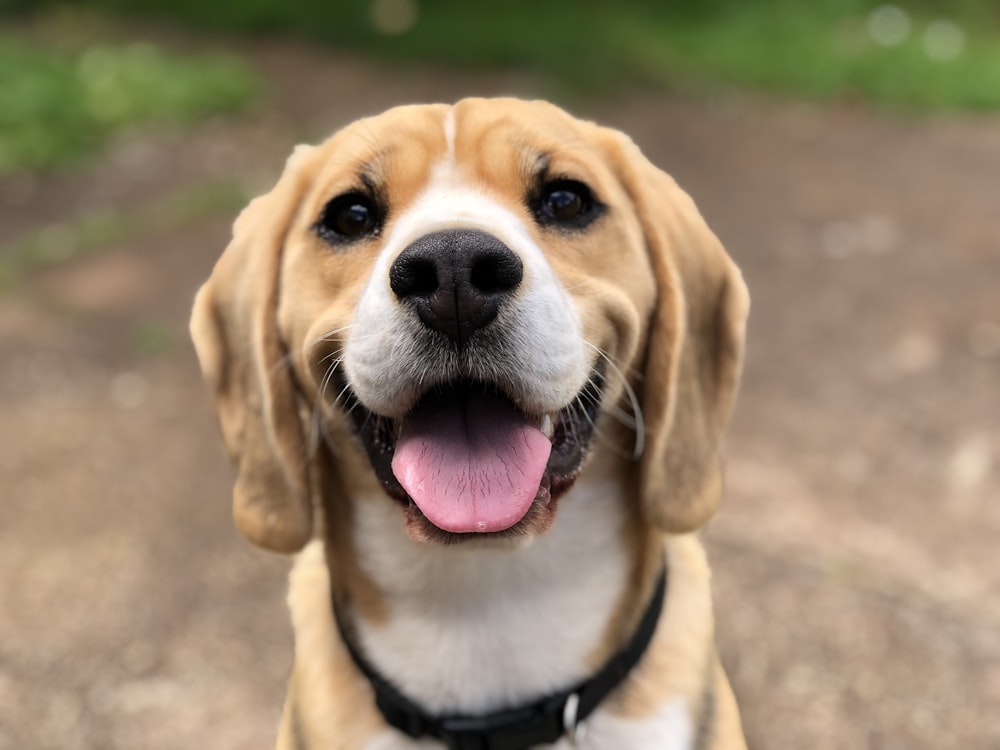
A peaceful departure begins hours before you say goodbye. True canine exhaustion isn't just physical—it's deeply cognitive.

Before leaving, swap high-intensity games like fetch—which spike cortisol and adrenaline—for structured mental enrichment. A twenty-minute structured sniff walk, light obedience training, or an intricate food puzzle engages their natural problem-solving instincts. These activities stimulate the prefrontal cortex, bringing your dog to a state of natural, deep-resting satisfaction that transitions beautifully into alone time.

Happy dog relaxing after a successful training session

What If Your Dog Cries as Soon as You Pick Up Your Keys?

For sensitive dogs, departure cues are an immediate trigger for panic. Through systematic desensitization, we break the link between your keys and your departure, shifting their emotional response from worry to complete indifference.

I

Pick Up Keys

Simply pick up your keys from the hook. Notice any sudden hyper-awareness in their body. Stand still, remaining neutral and calm without moving to the exit.

II

Sit Back Down

Carry the keys to the couch and sit back down. Resume your normal, relaxed activity. This breaks the expectation that the sound always predicts separation.

III

Reward Calm

The moment your dog shifts their focus away, sighs deeply, or lays their head back down, deliver a calm reward. Reinforce their choice to choose tranquility over tension.

What Not to Do & When to Seek Help

Navigating canine distress requires gentle wisdom, structured patience, and knowing exactly where the boundaries of self-training lie.


Common Pitfalls to Avoid

Should You Ignore Your Dog?

The traditional rule of thumb is to completely ignore a whining dog to prevent reinforcing the behavior. However, modern veterinary science suggests this approach lacks critical nuance. If your puppy is whimpering mild attention-seeking squeaks, turning away teaches them that calm behavior gets results. On the other hand, if your dog is hyperventilating, scratching frantically, or showing signs of absolute panic, ignoring them does not help. They are suffering a chemical panic response and cannot learn in that state. Calmly soothing them or resetting their environment isn't 'rewarding fear'—it's down-regulating a frantic nervous system so learning can actually occur later.

When Your Dog's Crying May Need Professional Help

Standard training techniques fall short when a dog crosses from normal frustration into clinical separation anxiety or panic. If you witness any of these severe signs, consult a veterinary behaviorist (DACVB) or a certified trainer (CSAT) to create an expert desensitization protocol:

Frequently Asked Questions

Practical, gentle guidance for cozy, quiet nights and happy puppies.

Why do puppies cry in their crate?

Puppies cry to communicate physical needs like hunger or a bathroom break, but they also cry due to emotional vulnerability, feeling isolated, or adjusting to their unfamiliar new home environment.

Establish a consistent, predictable routine. Ensure their physical needs are met before crating, and immediately reward quiet moments with treats. Never scold them, as this creates a negative association with the space.

True separation anxiety is marked by extreme panic, destructive escape attempts, heavy drooling, and persistent distress. Normal puppy crying is usually barrier frustration, which subsides relatively quickly with patient training.

Ignore 'demand crying' designed solely for attention, but never ignore crying that signals a genuine potty emergency. If you consistently reward attention-seeking whines with eye contact or release, they will continue to cry.

Start with micro-intervals. Step behind a baby gate or door for just five seconds, then return and reward quiet behavior. Gradually extend the time to minutes, then hours, keeping the training calm and stress-free.

Watch for subtle signs of stress like yawning, pacing, licking lips, or avoiding eye contact. Comfort cues include gentle nesting, chewing on safe toys, and eventually settling down to sleep in a relaxed posture.

A general guideline is one hour per month of age. A three-month-old puppy can comfortably manage about three hours. Never exceed four consecutive hours for any young puppy during daytime hours.

Yes, ambient sound is highly effective. Soft classical music, audiobooks, or dedicated white noise machines mask sudden outdoor noises and provide a reassuring, familiar soundscape.

Absolutely. Ensuring your puppy has age-appropriate physical play and mental stimulation through puzzles before quiet time helps burn energy, naturally encouraging restful sleep.

Incorporate warm, clean bedding, a safe chew toy, and a piece of clothing with your familiar scent. You can also place a safe warm-water bottle wrapped in a blanket to simulate a littermate's body heat.

If crying escalates to self-harm, constant drooling, intense panic, or shows zero improvement after two weeks of structured training, consult a certified positive-reinforcement behaviorist immediately.

Keep nighttime potty breaks strictly functional, quiet, and dark. Avoid playing or talking to them during these times so they learn that night is strictly meant for sleeping.

The Path to Serenity

Create a Calm Space for Your Companion


Understanding why does my dog cry when I leave is the first step toward lasting peace. Through gradual practice, predictable comforting routines, and gentle positive reinforcement, you can ease their separation anxiety. With patience and a thoughtfully prepared environment, your companion will learn to rest comfortably, secure in the knowledge that you will always return.

Create a Calm Space for Your Dog